
Projekt Asasif
Polska Ekspedycja Archeologiczna do Północnego Asasifu. Projekt Asasif

Północny Asasif to nazwa skalnego stoku, który stanowi naturalną kontynuację, w kierunku wschodnim, północnej ściany skalnego amfiteatru Deir el-Bahari. Badania ekspedycji CAŚ UW na tym terenie rozpoczęły się w 2013 roku.
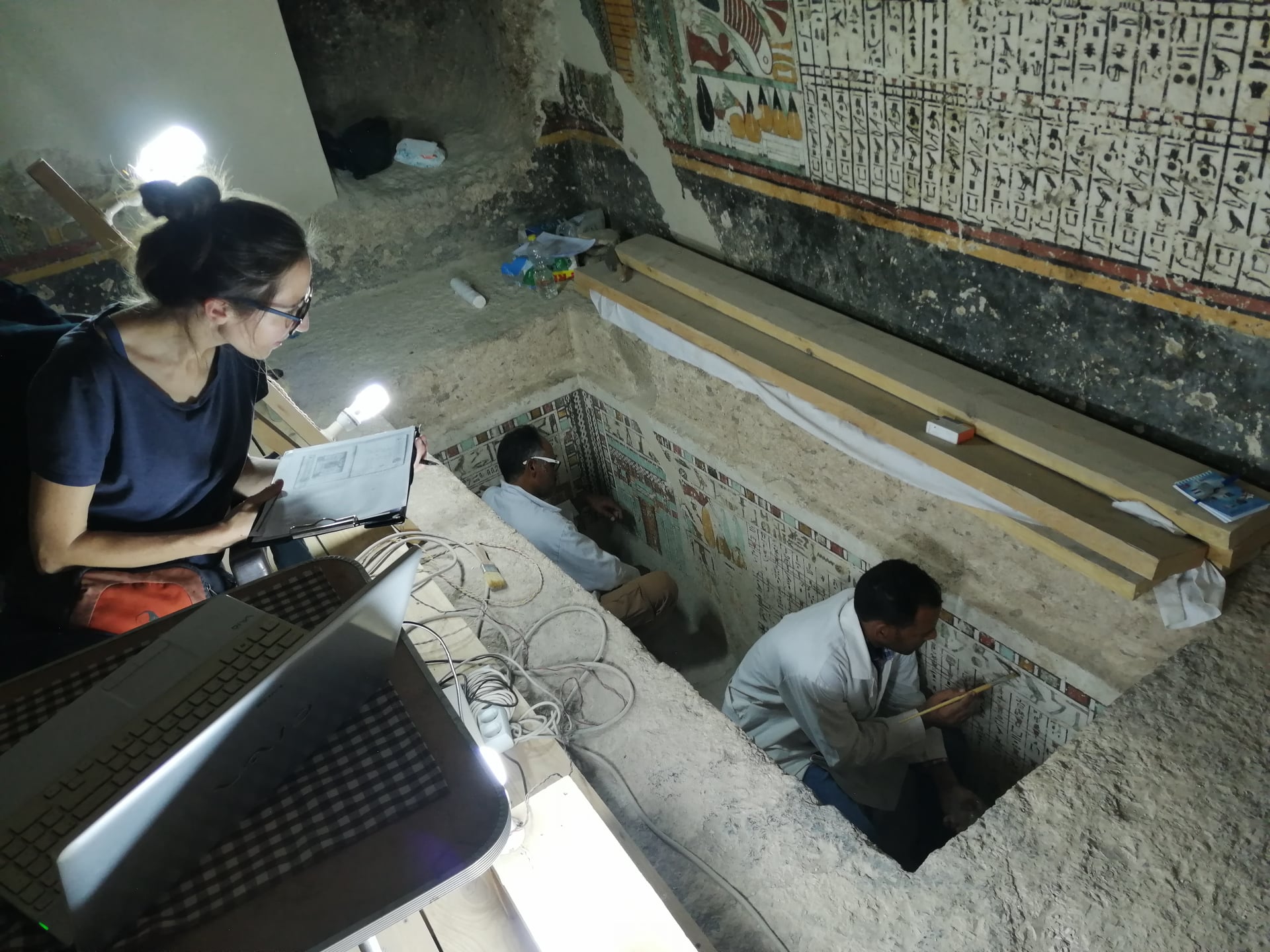
Prace koncentrują się na grobowcach wykutych w skale, datowanych na okres Średniego Państwa, wykorzystywanych intensywnie również w czasach późniejszych. Celem projektu jest rekonstrukcja złożonej historii tej części Teb Zachodnich na przestrzeni wieków, ze szczególnym uwzględnieniem funkcjonowania nekropoli w czasach Średniego Państwa.
Prace CAŚ UW obejmują 9 kompleksów grobowych, których powstanie datowane jest na czasy panowania Nebhepetra Mentuhotepa II oraz kolejnych królów XI i XII dynastii. Niemalże wszystkie z tych grobowców należały do najwyższych rangą urzędników, co znalazło odzwierciedlenie w ich architekturze, dekoracji i wyposażeniu grobowym.
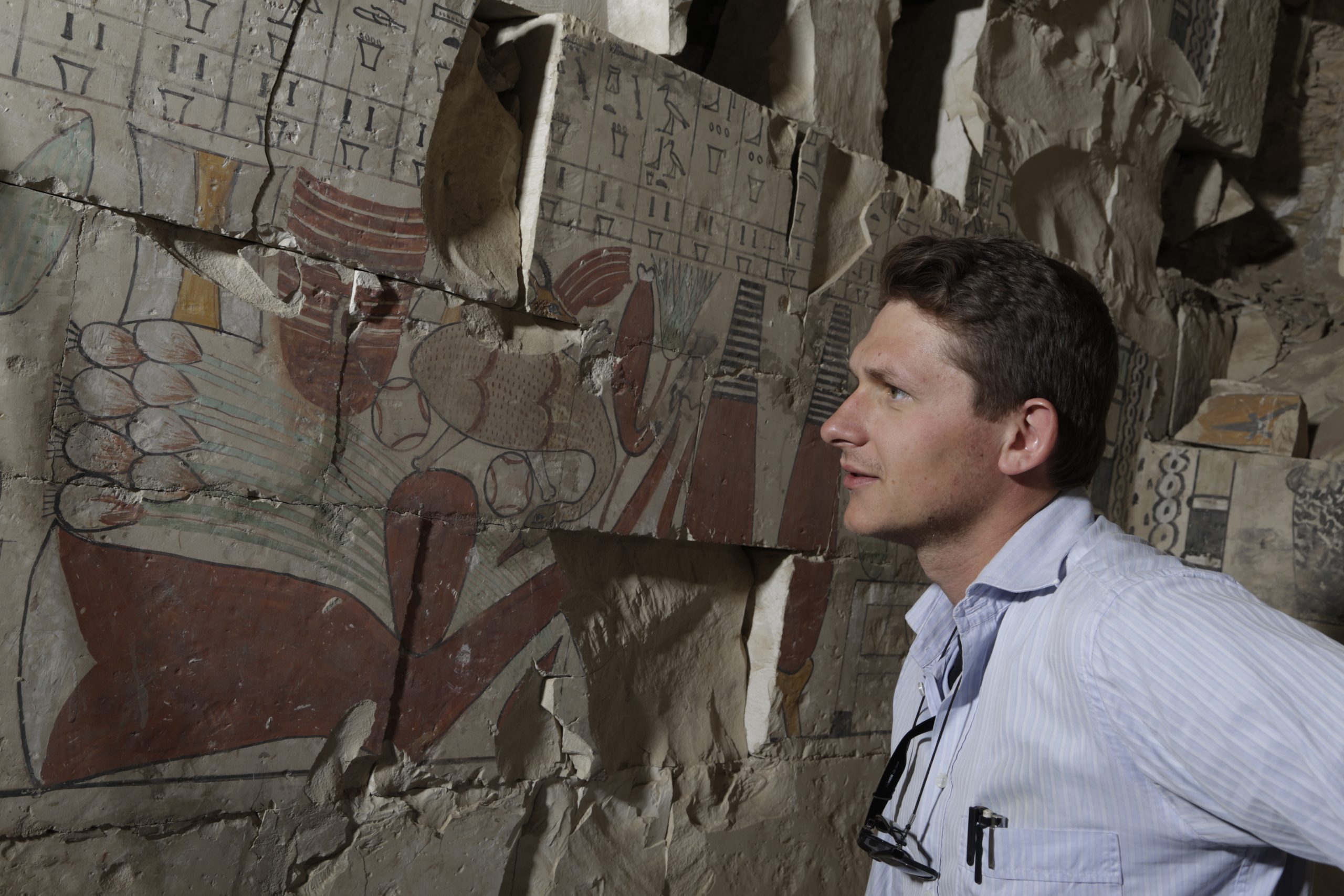
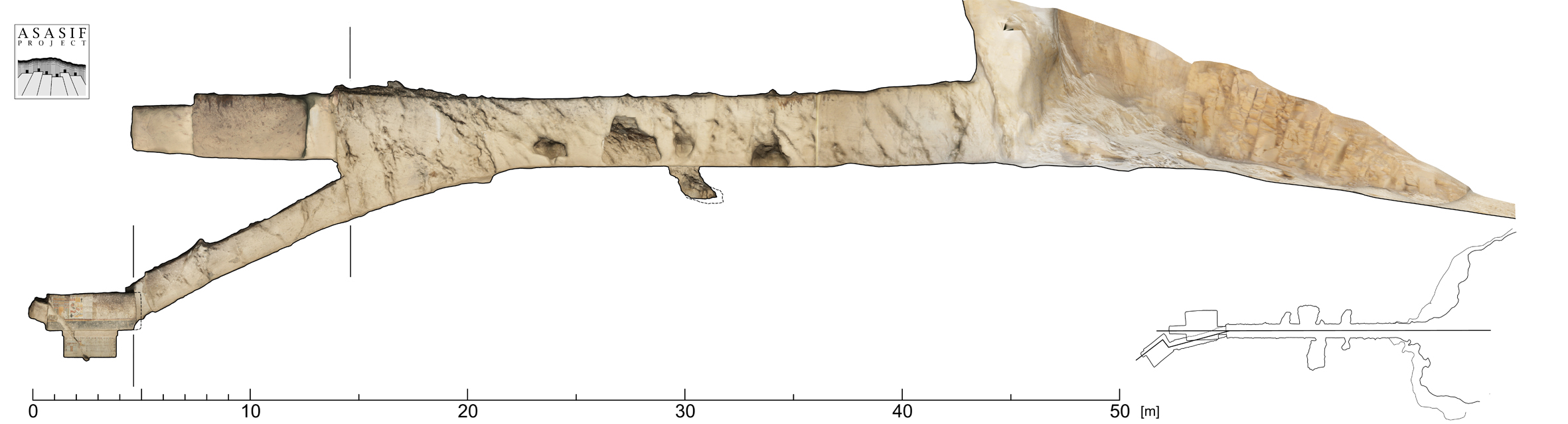
Kompleksowe prace archeologiczne i epigraficzne, a także działania konserwatorskie i rekonstrukcyjne prowadzone są w dwóch dekorowanych grobowcach, Chetiego (TT 311) i Meru (TT 240), położonych na zachodnim i wschodnim krańcu stoku Północnego Asasifu. Kolejne grobowce badane przez Ekspedycję, o numerach MMA 509a, MMA 511, MMA 512, TT 314, MMA 514 i MMA 515, położone są w centralnej części tego terenu, a odkrywane w nich materiały pozwalają rekonstruować rozwój tej części nekropoli oraz relacje pomiędzy pochowanymi w nich urzędnikami. Ostatnim z obecnie badanych grobowców jest masowy grób MMA 507, zlokalizowany na zachodnim krańcu Asasifu Północnego, w którym spoczęły szczątki około 60 poległych w bitwie żołnierzy.
W większości grobowców na tym terenie znaleziono pozostałości pochówków datowanych na Trzeci Okres Przejściowy i Okres Późny. Oprócz tego, jeden grobowców satelitarnych (MMA 514a) został ponownie użyty w czasach 18. Dynastii, podczas gdy przestrzeń innego grobowca (TT 240) została wykorzystana w charakterze eremu przez mnichów w okresie wczesnochrześcijańskim.
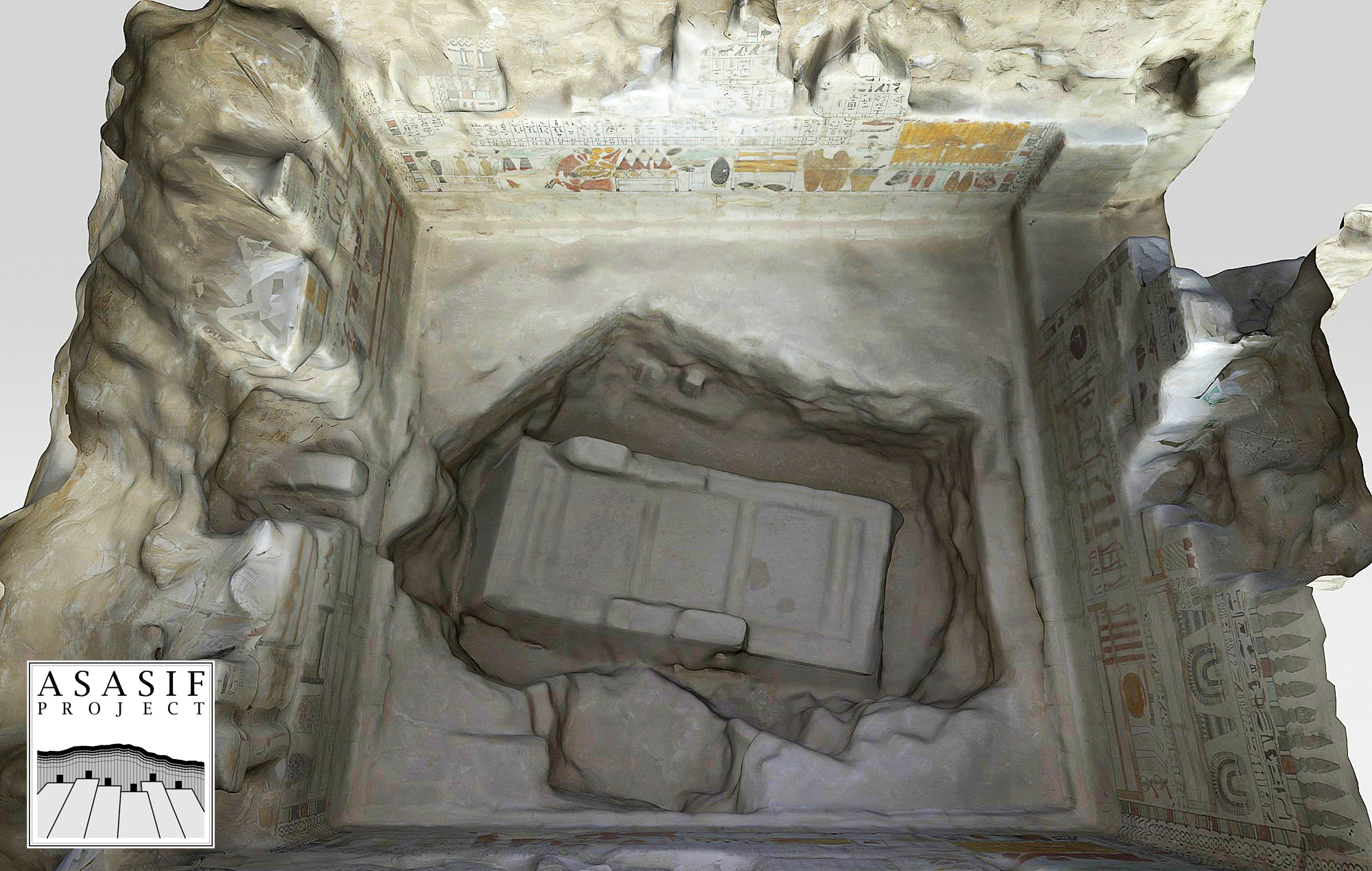
W ramach Projektu Asasif, oprócz prac archeologicznych i egiptologicznych, prowadzone są również studia specjalistyczne: architektoniczne, ceramologiczne, z zakresu antropologii fizycznej, archeozoologii i traseologii. Istotną częścią prac Ekspedycji jest konserwacja i rekonstrukcja oryginalnego programu dekoracyjnego w grobowcach Chetiego i Meru.
Kierownik projektu: dr Anastasiia Stupko-Lubczynska
Kontakt: a.stupko-lubcz@uw.edu.pl; pm.chudzik@uw.edu.pl
https://pcma.uw.edu.pl/2018/01/05/29877
https://www.facebook.com/projektasasif
Bibliografia:
2026 Ragazzoli Ch., Les Inscriptions De Visiteurs Dans Les Tombes Thébaines, IFAO.
2022 Chudzik, P., Iwaszczuk, U., “A Crocodile Spirit, Crocodile-Faced”: Discovery of Crocodile Remains in the Early Middle Kingdom Tombs of the North Asasif Necropolis in Western Thebes (Egypt). Journal of African Archaeology, 20 (1), 107-124.
2016, Chudzik, P. Tajemnice egipskich grobowców/Secrets of Egyptian tombs, Wrocław
2016, Chudzik, P., A unique royal mortuary temple and exceptional private complexes. The architecture of the Nebhepetre Mentuhotep II monument reflected in the funerary structures of high officials at Thebes, (w:) M. Ullmann (red.), 10. Ägyptologische Tempeltagung: Ägyptische Tempel zwischen Normierung und Individualität. München, 29.31. August 2014, Wiesbaden: 71–80